UK manufacturers are being squeezed from every direction. The businesses that come through it won’t be the luckiest. They’ll be the best led
Let’s not dress it up. It is hard out there right now. Genuinely hard.
Conflict in the Middle East is disrupting shipping routes that global supply chains depend on. Oil prices are volatile. Energy costs remain elevated. Material costs have not come down the way many manufacturers hoped. And consumer confidence, in some sectors, is starting to wobble.
I speak to manufacturing leaders every week. The conversations are different to how they were two or three years ago. There’s more uncertainty in the room. More pressure on margins and more questions without clean answers.
I’m not going to pretend otherwise. That’s not useful to anyone.
But here is what I do know, after 25 years working in and around UK manufacturing:
The businesses that navigate volatile periods best are rarely the ones with the best luck on commodity prices. They’re the ones with the right people making the right calls under pressure.
What’s Actually Driving the Pressure
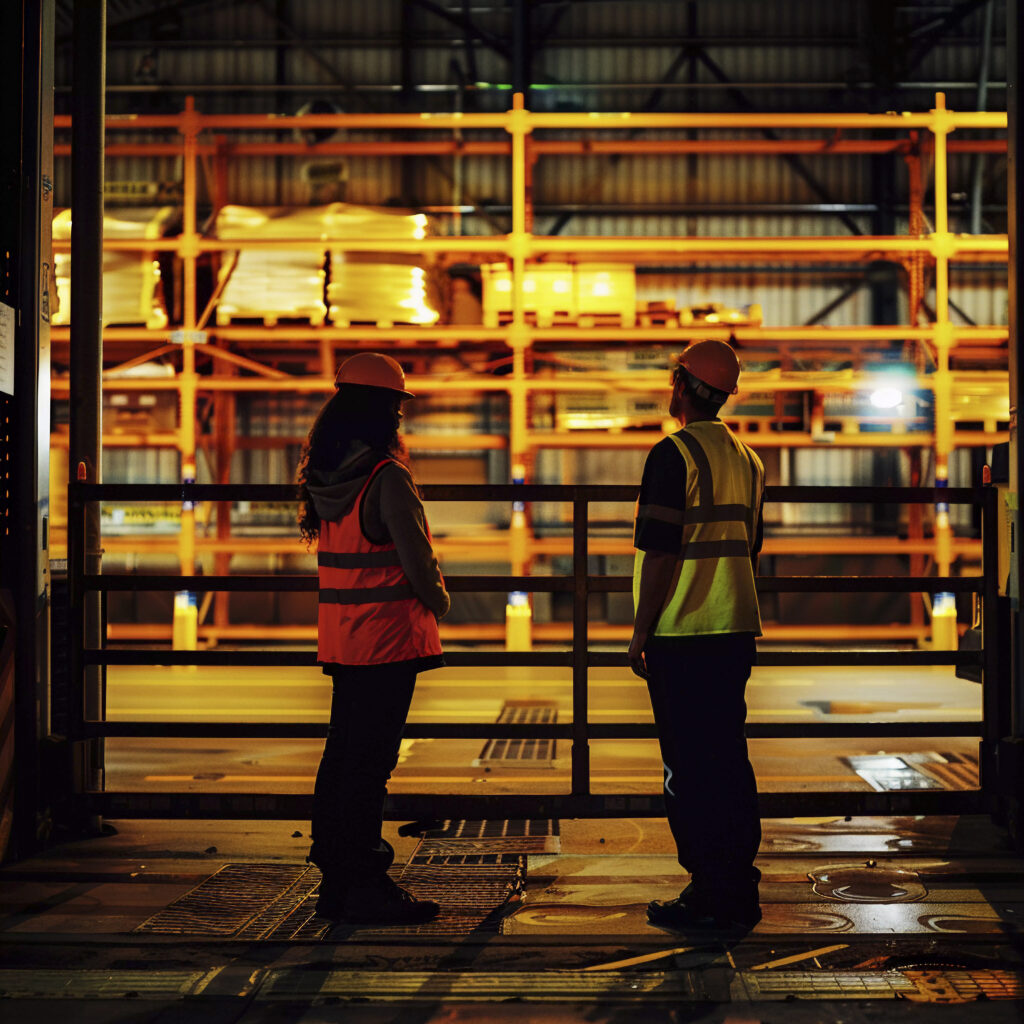
The disruption in the Red Sea and the broader instability across the Middle East is not a distant problem. For UK manufacturers with global supply chains, it is already arriving on the factory floor.
Here is what I’m hearing on the ground:
- Lead times stretching, with little warning and limited ability to plan around them
- Freight costs climbing again, eating directly into already tight margins
- Energy costs remaining stubbornly high, driven in part by oil market volatility
- Tier-2 and tier-3 suppliers under serious financial strain
- Customer confidence softening in certain end markets, creating demand uncertainty on top of supply uncertainty
None of this is temporary. Some of it may get worse before it gets better. The businesses sitting back and waiting for conditions to normalise are making a strategic mistake.

The Football Manager Test
When I think about how manufacturing leaders should be responding right now, I keep coming back to the same analogy.
Think about a football manager under pressure. The ones who survive a difficult run of results are not the ones who blame the fixture list or the weather or bad luck. They are the ones who look honestly at their squad. Who assess where the weaknesses are. They ask whether the team they have is actually the right team for the challenge in front of them.
That takes a particular kind of honesty. Looking in the mirror is harder than looking at the external conditions.
I’d encourage every MD and CEO in UK manufacturing to apply that same test right now.
Not just: do I have a leadership team?
But: do I have the right leadership team for what is coming?
Those are very different questions.

The Leaders You Need Now Are Not Always the Leaders You Have
This is something I see repeatedly. A business builds a leadership team that works well in stable conditions. Decent operators. Good relationships. Solid track record. And then the environment shifts sharply, and it becomes clear that the team was built for a world that no longer exists.
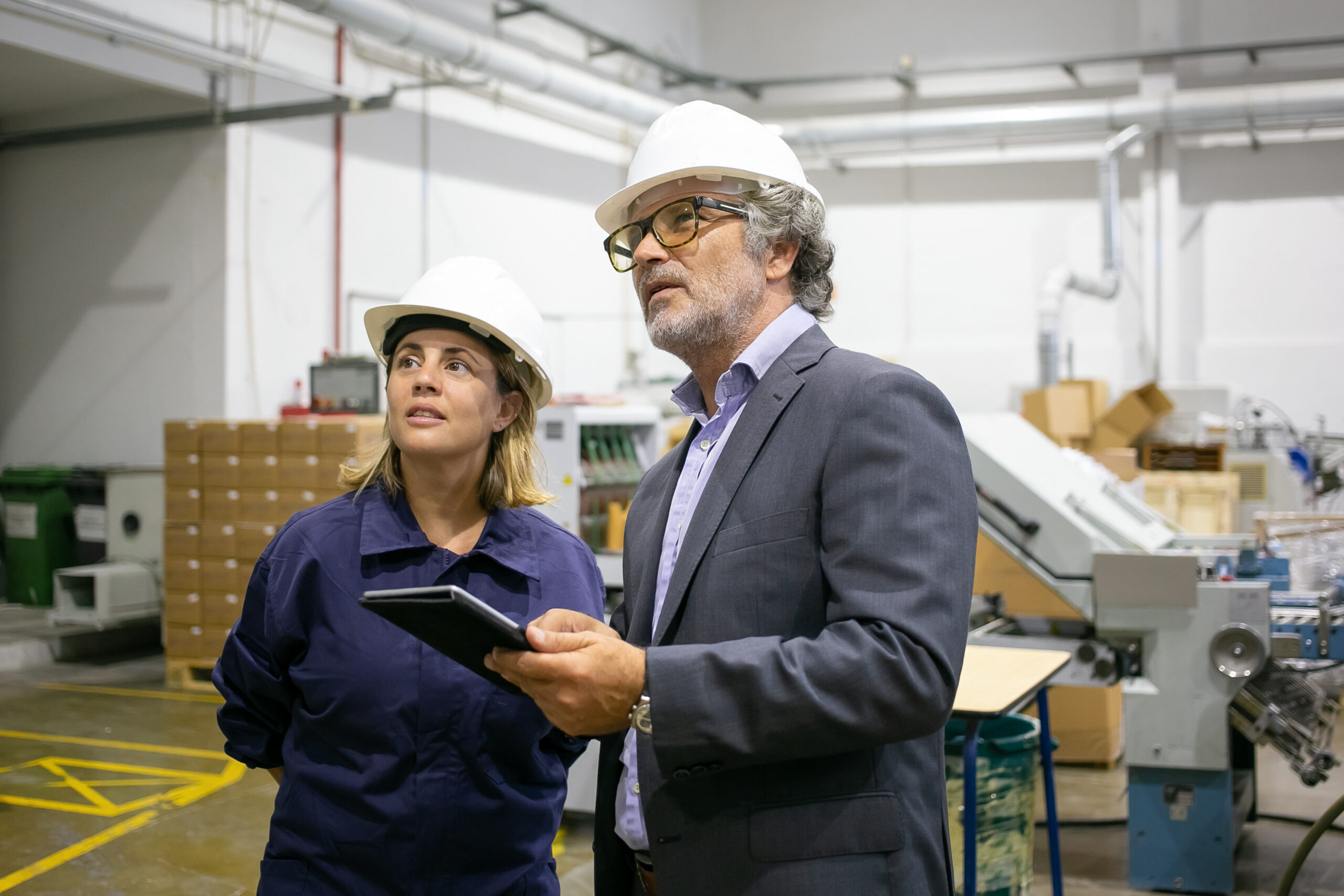
Navigating inflationary pressure, supply chain instability, and margin compression at the same time requires a specific kind of leader. Someone who can hold their nerve under pressure. Who can make fast decisions with incomplete information. Who has the resilience to lead a team through difficult months without losing the room.
That is not just about skills and experience. It is about psychology, values, and behavioural habits under stress. It is about what a person is actually like when things get hard.
That is precisely why our EVOLVE assessment process exists. Any search firm can match a CV to a job description. We go deeper than that. We look at moral DNA. At how a leader behaves when the pressure is on. At whether they will genuinely fit the culture and deliver in the specific commercial context your business is facing.
A 96% right-first-time placement rate is not an accident. It is the result of understanding that the wrong leader in a critical role, especially in a volatile period, is one of the most expensive mistakes a business can make.
You Cannot Control the Oil Price. You Can Control This.
I want to be clear about something. I am not being negative about UK manufacturing. I am being honest about it. There is a difference.
There is genuine opportunity in this environment, for the businesses with the leadership depth to see it and move on it. Defence manufacturing is growing. Certain industrial sectors are expanding. The political appetite for reshoring and rebuilding domestic capability is increasing.
The businesses that capture that opportunity will not be the ones that waited for conditions to improve. They will be the ones that used a difficult period to look honestly at their teams, make the right calls on people, and build the leadership depth to move quickly when the moment came.
You may not be able to control what is happening externally. You can absolutely control what is happening within.
That is where the work is right now. Not in forecasting commodity prices or predicting geopolitical outcomes. In making sure the people around your table are genuinely the right people for what is coming.

One Question Worth Asking Yourself
If the pressure intensifies over the next 12 months, and there is every reason to think it might, are you certain that your leadership team has the depth, the resilience, and the decision-making quality to navigate it?
If the honest answer is uncertain, that is worth a conversation.
Not a lengthy process. Not a commitment. Just an honest conversation about where you are, what you need, and whether we can help.
That is what we are here for.
If you are a manufacturing MD, CEO, or HRD and you want to talk through your leadership team in confidence, get in touch with the TS Grale team at tsgrale.com